
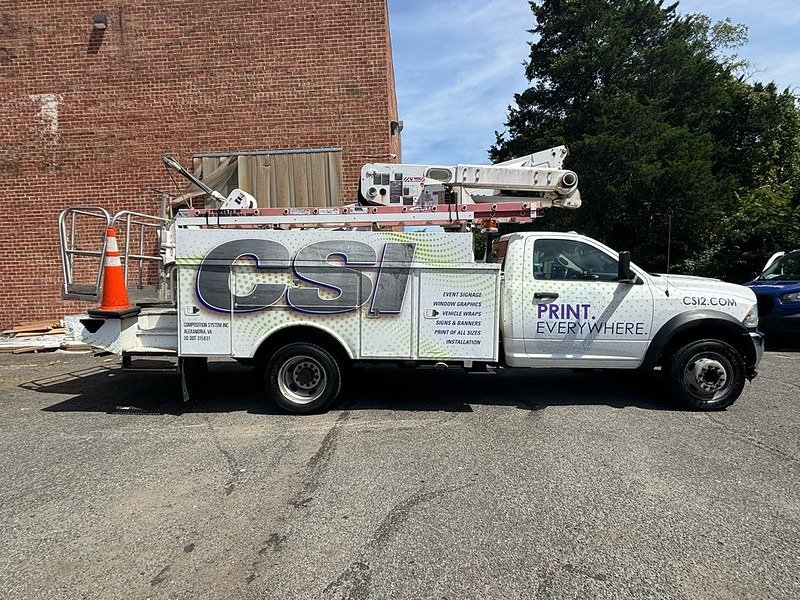
Vehicle wrap design is a powerful marketing tool that can transform any vehicle into a mobile advertisement. This comprehensive guide will explore the key considerations for effective vehicle wrap design, helping businesses understand how to maximize their advertising potential. With the right design, vehicle wraps can enhance brand visibility, protect vehicle surfaces, and provide a strong return on investment (ROI). Many businesses struggle with creating impactful vehicle wraps that resonate with their target audience. This guide will address common challenges and provide actionable insights to ensure your vehicle wraps are both eye-catching and effective. We will cover the benefits of vehicle wraps, core design principles, adaptation to vehicle shapes, fleet branding strategies, common design mistakes, and cost considerations.
Why Are Vehicle Wraps a Smart Investment for Business Advertising?
Vehicle wraps are an innovative advertising solution that offers numerous benefits for businesses. They provide high visibility, cost-effectiveness, and protection for the vehicle itself. By utilizing vehicle wraps, businesses can reach a wider audience without the recurring costs associated with traditional advertising methods.
What Are the Advertising Benefits and ROI of Vehicle Wraps?
Vehicle wraps can generate thousands of impressions daily, making them a highly effective advertising medium. Studies show that a single vehicle wrap can reach up to 30,000 to 70,000 potential impressions each day, depending on the vehicle's location and travel patterns. The cost per thousand impressions (CPM) for vehicle wraps is significantly lower than traditional advertising methods, such as billboards or print ads. This high visibility translates into increased brand awareness and potential sales, making vehicle wraps a smart investment for businesses looking to enhance their advertising strategy.
How Do Vehicle Wraps Protect Your Vehicle and Preserve Resale Value?
In addition to their advertising benefits, vehicle wraps also serve a protective function. They shield the vehicle's paint from scratches, UV damage, and other environmental factors that can diminish its resale value. A well-maintained wrap can preserve the vehicle's exterior, ensuring that it remains in excellent condition for years to come. This protective quality adds another layer of value to vehicle wraps, making them a dual-purpose investment for businesses.
What Are the Core Principles of Effective Vehicle Wrap Design?
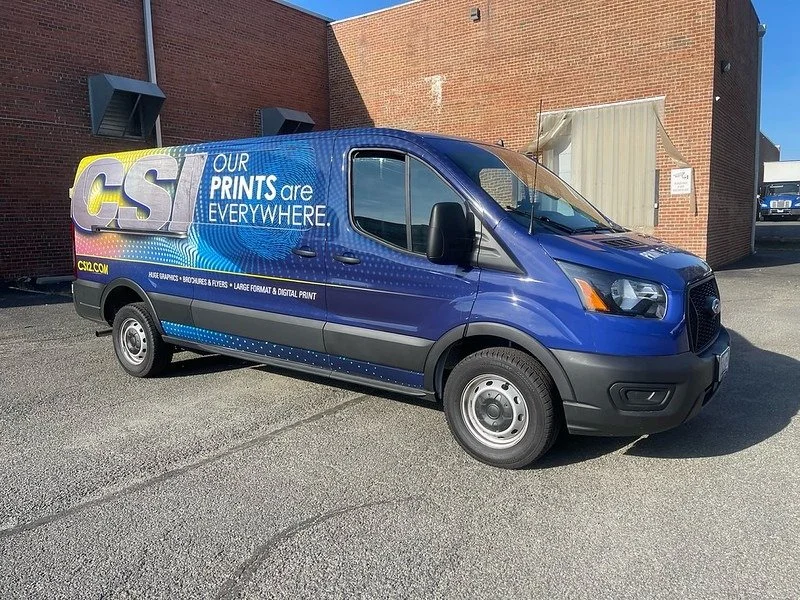
Creating an effective vehicle wrap requires a deep understanding of design principles that enhance visibility and communication. Key elements include simplicity, clarity, color psychology, and typography.
How Does Simplicity and Clarity Enhance Vehicle Wrap Readability?
Simplicity is crucial in vehicle wrap design. A cluttered design can confuse viewers and dilute the message. Effective vehicle wraps should feature clear messaging and a strong call to action. Utilizing ample white space allows the design to breathe, making it easier for viewers to absorb the information quickly. This clarity is essential for ensuring that the wrap communicates its message effectively, even at high speeds.
How Can Color Psychology and Brand Consistency Improve Wrap Impact?
Color plays a significant role in how a brand is perceived. Different colors evoke specific emotions and associations, making it essential to choose colors that align with the brand's identity. Consistent use of brand colors across all marketing materials, including vehicle wraps, reinforces brand recognition and trust. A well-designed wrap that adheres to brand guidelines can significantly enhance its impact and memorability.
What Are Best Practices for Typography and Logo Placement?
Typography and logo placement are critical components of vehicle wrap design. Selecting legible fonts and appropriate sizes ensures that the text is easily readable from a distance. The logo should be prominently displayed, as it serves as the visual anchor for the design. Best practices include maintaining a hierarchy of information, where the most important elements are emphasized, guiding the viewer's eye through the design.
How Should Vehicle Wrap Designs Adapt to Vehicle Shape and Features?
Adapting vehicle wrap designs to the specific shape and features of the vehicle is essential for achieving a professional look. Each vehicle has unique contours and dimensions that must be considered during the design process.
Why Is Designing Around Vehicle Contours Important?
Designing around the vehicle's contours enhances the visual appeal and effectiveness of the wrap. A design that flows with the vehicle's shape creates a cohesive look that draws attention. Poorly designed wraps that do not account for contours can appear awkward and unprofessional, detracting from the overall impact of the advertisement.
What Role Do High-Quality Graphics and Materials Play in Wrap Durability?
The quality of graphics and materials used in vehicle wraps directly affects their durability and longevity. High-quality vinyl materials are essential for ensuring that the wrap withstands the elements and maintains its appearance over time. Investing in premium materials can prevent issues such as fading, peeling, and cracking, ultimately saving businesses money on replacements and repairs.
How Can Businesses Achieve Consistent Fleet Branding with Vehicle Wraps?
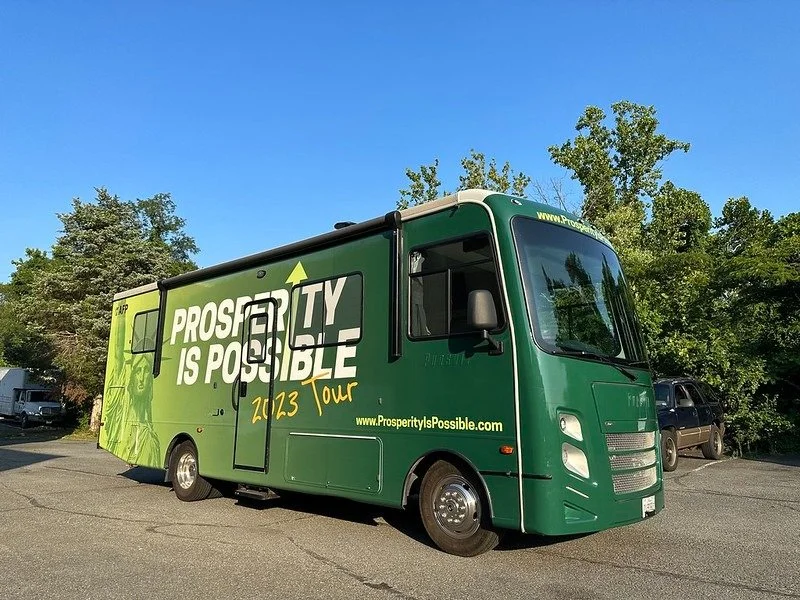
For businesses with multiple vehicles, maintaining brand consistency across the fleet is crucial. Consistent branding reinforces brand identity and ensures that all vehicles present a unified image to the public.
What Strategies Ensure Brand Consistency Across Diverse Vehicle Fleets?
Standardizing design elements across all vehicles is a key strategy for achieving brand consistency. This includes using the same color schemes, fonts, and logo placements. Regular audits of fleet graphics can help identify any inconsistencies and ensure that all vehicles adhere to brand guidelines. Training installation teams on proper application techniques can also help maintain quality across the fleet.
How Should Fleet Wrap Projects Be Planned and Implemented?
Planning and implementing fleet wrap projects requires careful coordination and management. Establishing a timeline for design and installation is essential to ensure that all vehicles are wrapped efficiently. Budget considerations should also be taken into account, as costs can vary based on the size and complexity of the designs. Coordination with marketing teams can help align the wrap designs with broader advertising campaigns.
What Common Mistakes Should Be Avoided in Vehicle Wrap Design?
While vehicle wraps can be highly effective, there are common pitfalls that businesses should avoid to ensure their designs are successful.
How Does Overcrowding and Poor Font Choice Affect Wrap Effectiveness?
Overcrowding a vehicle wrap with too much information can lead to confusion and reduce its effectiveness. Viewers should be able to grasp the message quickly, so it's essential to prioritize key information. Additionally, poor font choices can hinder readability, especially from a distance. Selecting clear, legible fonts is crucial for ensuring that the wrap communicates its message effectively.
Why Is Professional Expertise Crucial for Design and Installation?
Hiring professionals for vehicle wrap design and installation is vital for achieving high-quality results. Experienced designers understand the nuances of effective wrap design, while skilled installers ensure that the wrap is applied correctly without bubbles or wrinkles. Investing in professional services can lead to a more polished and effective final product, ultimately enhancing the return on investment.
How Can Businesses Understand Vehicle Wrap Costs and Maximize ROI?
Understanding the costs associated with vehicle wraps is essential for businesses looking to maximize their return on investment. Various factors influence the overall cost, including design complexity, vehicle size, and material quality.
What Factors Influence the Cost of Vehicle Wrap Design and Installation?
Several factors contribute to the cost of vehicle wrap design and installation. The size of the vehicle plays a significant role, as larger vehicles require more material and labor. The complexity of the design also affects pricing; intricate designs may take longer to produce and install. Additionally, the choice of materials can impact costs, with higher-quality vinyl typically commanding a premium price.