
Custom Wayfinding and Monument Signs in Washington DC: Expert Solutions for Effective Commercial Signage
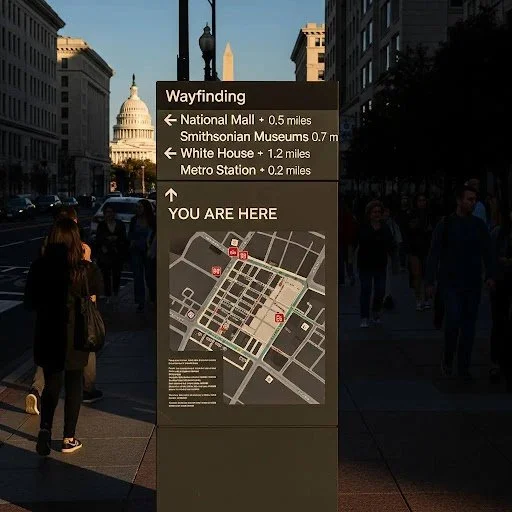
In the bustling environment of Washington DC, effective wayfinding and monument signs play a crucial role in guiding visitors and enhancing brand visibility. Custom signage not only helps in navigating complex urban landscapes but also serves as a powerful marketing tool for businesses. This article delves into the benefits of custom wayfinding and monument signs, how they enhance commercial wayfinding systems, and the importance of ADA compliance. Additionally, we will explore how CSI, a technology consulting and solutions provider, delivers comprehensive signage solutions tailored to the unique needs of Washington DC businesses.
Indeed, the fundamental purpose of any sign is to capture attention and effectively communicate its message, as highlighted by research on visual communication.
Effective Signage for Wayfinding, Commerce & Visual Attention
Signs, in all their forms and manifestations, provide visual communication for wayfinding, commerce, and public dialogue and expression. Yet, how effectively a sign communicates and ultimately elicits a desired reaction begins with how well it attracts the visual attention of prospective viewers. This is especially the case for complex visual environments, both outside and inside of buildings.
Analysis of signage using eye-tracking technology, M Tang, 2020
What Are the Benefits of Custom Wayfinding and Monument Signs for Washington DC Businesses?
Custom wayfinding and monument signs offer several advantages that can significantly impact a business's success in Washington DC. These benefits include:
Enhanced Brand Visibility: Custom signs help businesses stand out in a competitive market, making it easier for potential customers to locate them and reinforcing brand recognition through consistent design elements.
Wayfinding Information: Effective signage provides essential information that guides visitors, improving their overall experience and reducing confusion in complex urban settings.
First Impressions: High-quality signs create a positive first impression, reflecting the professionalism and values of the business, which can influence customer trust and loyalty.
By investing in custom signage, businesses can improve their visibility and customer engagement, ultimately leading to increased foot traffic and sales. These benefits are supported by industry best practices and standards in commercial signage design.
How Do Custom Signs Enhance Commercial Wayfinding Systems in DC?
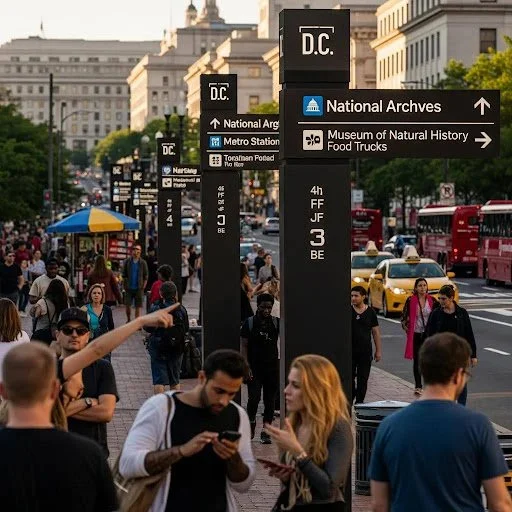
Custom signs are integral to effective commercial wayfinding systems in Washington DC. They enhance navigation by providing clear and concise information that helps visitors find their way. This is particularly important in a city known for its historical landmarks and complex street layouts. Custom signs
Effective wayfinding relies on cohesive branding and strategic placement of signs. Custom signs can be designed to match a business's branding, ensuring consistency across all touchpoints. This not only aids in navigation but also reinforces brand identity, making it easier for customers to remember and recognize the business.
Experts in signage design emphasize the importance of user-centered approaches that consider the diverse needs of all users, including those with disabilities, to create inclusive and effective wayfinding systems.
Why Is ADA Compliance Essential for Monument Signs in Washington DC?
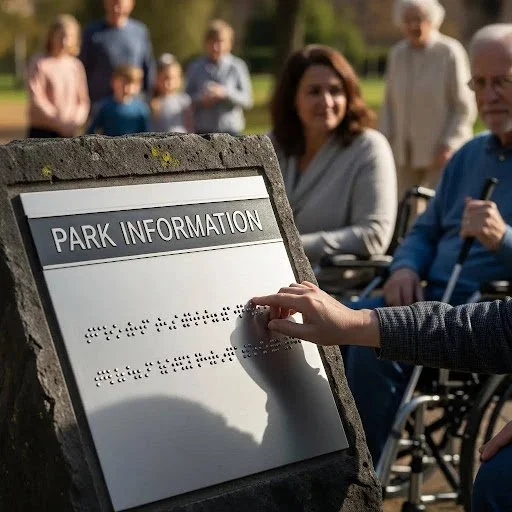
ADA compliance is crucial for monument signs in Washington DC, as it ensures accessibility for all individuals, including those with disabilities. Compliance with the Americans with Disabilities Act (ADA) involves specific requirements for signage, such as font size, contrast, and tactile elements, which are essential for making signs readable and usable by people with visual impairments.
Indeed, the legal framework of ADA compliance, particularly Title III, provides clear guidelines for signage in commercial settings.
ADA Compliance for Commercial Signage & Building Alterations
The Justice Department recommends the development of plans designed to achieve compliance with the ADA's Title III requirements for new construction and alterations.
The Foundations of ADA Compliance: A Building Survey, 1992
Ensuring ADA compliance not only fulfills legal obligations but also demonstrates a commitment to inclusivity. Businesses that prioritize accessibility can enhance their reputation and attract a broader customer base, making it a vital consideration in the design and installation of monument signs.
This commitment to inclusivity is further underscored by the importance of user-centered design in wayfinding signage, ensuring it serves all individuals, including those with visual impairments.
User-Centered Wayfinding Signage for Inclusive Design
Wayfinding signage is one of the essential tools for wayfinding activities. However, the current wayfinding signage graphic design only seems to fulfil the needs of the most ‘abled’ population. Partially sighted individuals are left ‘out of the space’. Creating a better wayfinding signage graphic design to accommodate the needs of this group of users requires a better understanding of their needs and expectations for the design.
The role of research-based user-centred signage graphic design in improving the effectiveness of the wayfinding signage system in academic settings for partially …, 2022
How Does CSI Deliver Comprehensive Signage Solutions in Washington DC?
CSI specializes in providing comprehensive signage solutions tailored to the unique needs of businesses in Washington DC. Their expertise in technology consulting allows them to integrate advanced solutions into their signage offerings, ensuring that signs are not only visually appealing but also technologically advanced and compliant with all relevant regulations.
CSI offers a range of services, including custom signage design, installation services, and event graphics. By leveraging technology, they ensure that their signage solutions are functional, durable, and meet the highest standards of quality and accessibility. This holistic approach positions CSI as a leader in the signage industry, capable of meeting diverse client needs with proven expertise and a commitment to excellence.
What Are the Key Steps in Wayfinding Sign Design and Fabrication?
The design and fabrication of wayfinding signs involve several key steps to ensure effectiveness and compliance. These steps include:
Concept & Mapping: Understanding the layout and flow of the area to determine optimal sign placement, informed by user behavior and environmental factors.
Production: Utilizing high-quality materials and techniques to create durable signs that withstand weather and wear, while maintaining visual clarity.
Installation: Ensuring proper placement and visibility for maximum impact, following ADA guidelines and local regulations to guarantee accessibility and compliance.
By following these steps, businesses can create effective wayfinding systems that enhance navigation and improve customer experiences, supported by industry best practices and expert consultation.
How Does Technology Consulting Improve Signage Effectiveness?
Technology consulting plays a significant role in enhancing the effectiveness of signage. By integrating analytics tools and interactive experiences, businesses can gather valuable data on customer interactions with their signs, enabling data-driven decisions to optimize signage performance.
This data can inform future signage strategies, ensuring that businesses continually adapt to meet customer needs. Additionally, technology can enhance the visual appeal of signs, making them more engaging and informative through features such as digital displays, dynamic content, and real-time updates.
What Are the Local Regulations and Permitting Requirements for Monument Signs in Washington DC?
Understanding local regulations and permitting requirements is essential for businesses looking to install monument signs in Washington DC. These regulations often dictate the size, placement, and design of signs to ensure they align with the city's aesthetic and safety standards.
Businesses must work closely with local permitting authorities to navigate these requirements effectively. Compliance not only avoids potential fines but also ensures that the signage contributes positively to the urban landscape, maintaining harmony with community standards and enhancing public safety.
How to Navigate Washington DC’s Sign Permitting Process?
Navigating the sign permitting process in Washington DC can be complex. Here are the key steps businesses should follow:
Research Local Regulations: Understand the specific requirements for signage in your area, including zoning laws and design guidelines.
Prepare Required Documentation: Gather all necessary documents, including design plans, site maps, and proof of compliance with ADA and other relevant standards.
Submit Application: File the application with the appropriate local authorities and pay any associated fees, ensuring all information is accurate and complete to avoid delays.
By following these steps, businesses can streamline the permitting process and ensure timely installation of their signs, supported by expert advice and thorough preparation.
What Are the Updated ADA Standards Affecting Signage in DC?
Recent updates to ADA standards have implications for signage in Washington DC. These updates include changes to font size, contrast requirements, tactile elements, and mounting heights to improve accessibility for individuals with disabilities.
Businesses must stay informed about these changes to ensure their signage remains compliant. Adhering to updated standards not only fulfills legal obligations but also enhances accessibility for all customers, reflecting a commitment to inclusivity and social responsibility.
How Can Businesses Choose the Right Outdoor Directional and Monument Sign Companies in DC?
Choosing the right signage company is crucial for businesses looking to invest in outdoor directional and monument signs. Here are some tips to consider: right signage company
Local Zoning Regulations: Ensure the company is knowledgeable about local regulations and can assist with permitting to avoid compliance issues.
Material Durability: Look for companies that use high-quality, weather-resistant materials to ensure longevity and reduce maintenance costs.
Portfolio of Work: Review past projects to assess the company's design capabilities, style, and experience with similar signage types.
Client Testimonials and Industry Certifications: Consider feedback from previous clients and verify any relevant certifications or memberships in professional signage organizations to gauge reliability and expertise.
By considering these factors, businesses can select a signage provider that aligns with their needs and goals, ensuring a successful investment.
What Criteria Define Reliable Custom Signage Solutions Providers?
When evaluating custom signage solutions providers, businesses should consider the following criteria:
Quality of Materials: Ensure the provider uses durable and weather-resistant materials that meet industry standards for outdoor signage.
Installation Expertise: Look for companies with a proven track record in professional installation, including adherence to safety and accessibility regulations.
Customer Support: Choose providers that offer ongoing support and maintenance services to address any issues promptly and extend the lifespan of the signage.
Experience and Credentials: Verify the provider’s experience in the industry, including certifications, awards, or partnerships that demonstrate commitment to quality and innovation.
These criteria help businesses identify reliable partners for their signage needs, ensuring a successful outcome backed by professional expertise and customer satisfaction.
How Do Installation Services Impact Sign Longevity and Compliance?
The quality of installation services significantly impacts the longevity and compliance of signage. Proper installation ensures that signs are securely mounted and positioned for maximum visibility, reducing the risk of damage and ensuring adherence to local codes and ADA standards.
Regular maintenance is also essential to uphold compliance with local regulations and ADA standards. Businesses that invest in professional installation and maintenance can expect their signs to last longer and remain effective in guiding customers, while minimizing liability and repair costs.